
Workshops
Interactive, skill-building workshop sessions led by industry experts and academic professionals.
Date
25–27 March 2027
Thursday – Saturday
Venue
Taylor’s University
Malaysia
Theme
Mental Health in Action
Bridging Science, Practice, and Community
Jointly Organised by
Malaysian Society of Clinical Psychology
Taylor's University
Duration
Full day
9:00 AM – 4:30 PM
Lunch break 1:00 PM – 2:30 PM
Sessions
6 workshops
Parallel tracks
Multiple specialized fields offered concurrently.
Capacity
25 – 50 pax
Pre-conference workshop
Varies depending on venue size.
Target Audience
Our workshops are tailored to support professional growth and academic advancement across various disciplines in mental health and allied fields.
- Clinical Psychologists
- Psychologists
- Psychiatrists
- Counsellors
- Public Health Professionals
- Behavioural Science Professionals
- Researchers
- Educators
- Allied Health Professionals
- Students (Undergraduate & Postgraduate)
Workshops | Speakers

Supporting Children with Anxiety: A CBT-Based Approach for Working with Parents
View details
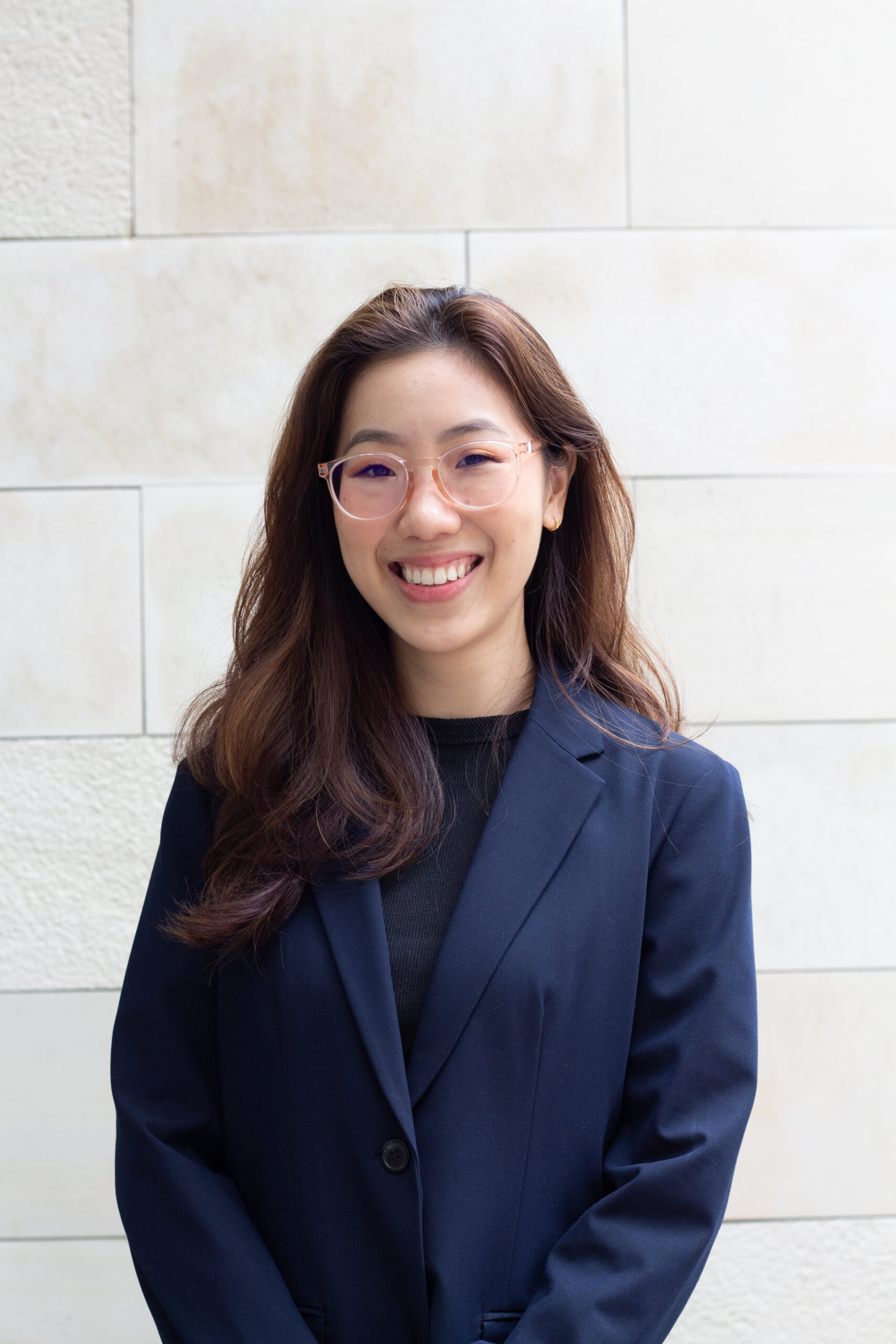
Assoc. Prof. Dr. Joe Nuttorn Pityaratstian
Supporting Children with Anxiety: A CBT-Based Approach for Working with Parents
Assoc. Prof. Dr. Joe Nuttorn Pityaratstian
Associate Professor, Faculty of Medicine
Chulalongkorn University, Thailand
- Track
- Clinical Interventions & Psychotherapy Mental Health Across Populations
- Level
- Suitable for all levels
- Seats available
- 50 Seats
Workshop Overview
Explore parent-led cognitive behavioural therapy (CBT) and develop practical skills to guide parents in supporting children with anxiety, adapting treatment to each family’s needs and cultural context.
Child anxiety disorders are the most common mental health problems in children and adolescents, with a global prevalence of approximately 6.5%. Without timely and appropriate treatment, they can negatively affect children’s social development, academic functioning, and quality of life over the long term, and increase the risk of mental health problems in adulthood.
Although cognitive behavioural therapy (CBT) is the most well-evidenced treatment for child anxiety disorders, access to CBT delivered by specialist therapists remains significantly limited due to shortages of trained practitioners, long waiting times, and constrained healthcare resources.
Parent-led CBT is an important innovation addressing these challenges. It is a treatment model that trains parents to deliver CBT to their own children, with therapist guidance and support. This approach not only broadens access to CBT but also gives parents an active, meaningful role in the treatment process, and is supported by evidence demonstrating effectiveness comparable to traditional child-focused CBT. This workshop aims to build the capacity of psychologists and mental health professionals, equipping them with practical skills in delivering this treatment approach.
Who Should Attend
Psychologists, CBT Therapists, and Mental Health Practitioners.
Learning Outcomes
- To provide participants with a thorough understanding of the principles, structure, and mechanisms of change of Parent-Led CBT for child anxiety.
- To practise practical skills in supporting parents as primary treatment deliverers, including communication with parents, training exposure skills, and managing parental accommodation of anxiety.
- To build participants’ capacity to adapt Parent-Led CBT appropriately to the family context, cultural setting, and healthcare system.
Key Topics
- Anxiety Disorders in Children
- CBT for Children and Parent-led approach
About the Speaker
Dr. Joe Nuttorn Pityaratstian is Associate Professor of Psychiatry at the Faculty of Medicine, Chulalongkorn University, where he directs the Diploma in Cognitive Behavioral Therapy. He serves as President of both the CBT Alliance of Thailand and the Child and Adolescent Psychiatric Society of Thailand, and has been appointed Global CBT Ambassador for Asia (2026) by the World Confederation of Cognitive and Behavioural Therapies.
After earning his medical degree at Chulalongkorn University, Joe completed an MSc in Child and Adolescent Mental Health at King's College London and pursued advanced CBT training at the Beck Institute and the University of Oxford. He is Adjunct Faculty at the Beck Institute for Cognitive Behavior Therapy and authored Thailand's first CBT treatment manual.
An Introduction to DNA-V: A Contextual Model to Working With Adolescents and Young People
View details
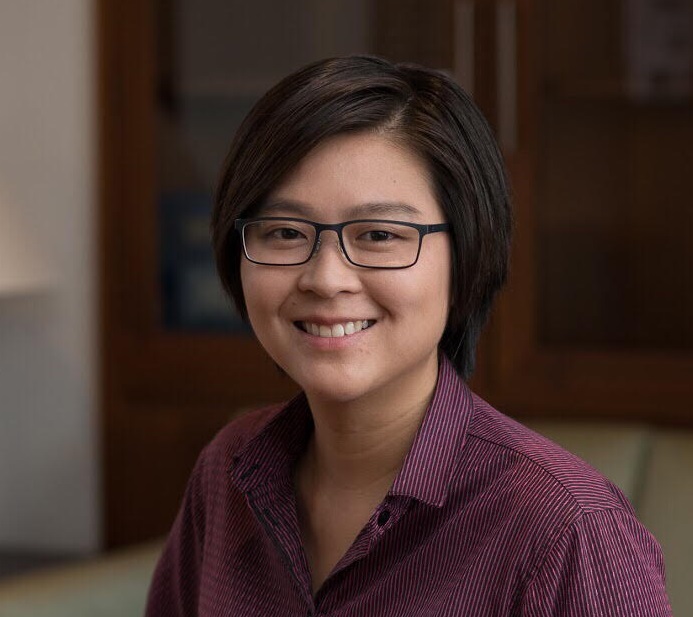
Dr. Erica Woo Jhia Mae
An Introduction to DNA-V: A Contextual Model to Working With Adolescents and Young People
Dr. Erica Woo Jhia Mae
Lecturer and Head of Sunway Psychology and Counselling Centre
Sunway University, Malaysia
- Track
- Clinical Interventions & Psychotherapy Mental Health Across Populations
- Level
- Introductory
- Seats available
- 25 Seats
Workshop Overview
Explore DNA-V, an approach grounded in Acceptance and Commitment Therapy and contextual behavioural science, to support psychological flexibility and meaningful action in adolescents and young adults.
The Introduction to DNA-V workshop provides a practical introduction to DNA-V, a developmentally appropriate approach grounded in Acceptance and Commitment Therapy (ACT) and contextual behavioural science. Designed for working with young people, DNA-V offers a strengths-based framework for helping adolescents and young adults navigate challenges, develop psychological flexibility, and build skills for living in ways that matter to them. Participants will be introduced to the four core components of DNA-V: Discoverer, Noticer, Advisor, and Values, and explore how these processes can support wellbeing, resilience, and meaningful action.
Through interactive activities, experiential exercises, and practical examples, participants will gain an understanding of the key principles underlying DNA-V and how the framework can be applied in counselling, education, mental health, and other settings involving young people. The workshop is suitable for mental health professionals and students who are interested in expanding their knowledge and skills in working with young people. By the end of the workshop, participants will have a foundational understanding of DNA-V and practical ideas for applying its principles to support young people in navigating challenges and moving towards what matters to them.
Who Should Attend
Mental Health Practitioners, Students and Trainees; School Counsellors
Learning Outcomes
- Explain the foundational principles and theoretical underpinnings of the DNA-V model.
- Describe the four core components of DNA-V (Discoverer, Noticer, Advisor, and Values) and their roles in supporting psychological flexibility.
- Apply introductory DNA-V concepts and experiential strategies to common challenges faced by young people.
- Identify opportunities to integrate DNA-V principles into counselling, education, mental health, and other youth-focused settings.
Key Topics
- Introduction to DNA-V and its developmentally appropriate approach
- Foundations in ACT and contextual behavioural science
- Understanding psychological flexibility in young people
- The Discoverer: learning, exploring, and building skills
- The Noticer: awareness of thoughts, feelings, sensations, and experiences
- The Advisor: understanding the mind and responding flexibly to internal experiences
- Values: identifying what matters and moving towards meaningful action
- Integrating the four components of DNA-V
- Experiential exercises and practical applications with young people
About the Speaker
Erica Woo is a lecturer and Registered Counsellor. Grounded in contextual behavioural science, her practice and teaching are informed by Acceptance and Commitment Therapy (ACT) and DNA-V, with a particular interest in supporting young people in developing psychological flexibility, emotional regulation, and values-based living. Erica has experience working with adolescents, university students, and adults across counselling, education, corporate and community settings. She is also actively involved in counsellor training, professional development, and the development of evidence-based psychological services and training.
She developed Time to ACT!, a DNA-V-informed programme designed to support adolescents in building emotional regulation skills, strengthening psychological flexibility, and identifying and pursuing what matters to them. Her work is guided by a commitment to translating contextual behavioural science into practical, accessible, and developmentally appropriate approaches that can be meaningfully applied in real-world settings.
Dialectical Behavior Therapy: A One-Day Introductory Workshop
View details
Prof. Shian-Ling Keng
Dialectical Behavior Therapy: A One-Day Introductory Workshop
Prof. Shian-Ling Keng
Professor of Clinical Psychology
Sunway University, Malaysia
- Track
- Clinical Interventions & Psychotherapy
- Level
- Introductory
- Seats available
- 35 Seats
Workshop Overview
Build a practical foundation in Dialectical Behavior Therapy, including its theoretical foundations, treatment structure, selected clinical strategies, and core skills.
This one-day introductory workshop provides a practical foundation in Dialectical Behavior Therapy (DBT), an evidence-based treatment originally developed for individuals with pervasive emotion dysregulation and borderline personality disorder. Participants will be introduced to the theoretical foundations and evidence base of DBT, including the biosocial theory of emotion dysregulation and the role of dialectical philosophy in clinical practice.
The workshop will provide an overview of DBT’s treatment modalities and functions, treatment hierarchy, and the structure of comprehensive DBT. Participants will learn selected core DBT treatment strategies, including structural strategies, behavioral chain analysis, and validation, with emphasis on how these strategies are applied in clinical work. The workshop will also introduce selected core DBT skills across mindfulness, distress tolerance, emotion regulation, and interpersonal effectiveness.
Through didactic teaching, clinical examples, and practical exercises, participants will develop a foundational understanding of DBT principles and how they can be applied in clinical practice.
Who Should Attend
- Clinical Psychologists
- Clinical Psychology Trainees
- Psychiatrists
- Psychiatry Trainees
- Counsellors
- Counselling Trainees
- School Counsellors
- Mental Health Professionals more generally
Learning Outcomes
- Explain the theoretical foundations of DBT, including biosocial theory and dialectical philosophy, and their implications for clinical practice.
- Identify the core treatment modalities, functions, and treatment hierarchy of comprehensive DBT.
- Understand ways in which selected DBT treatment strategies, including structural strategies, behavioral chain analysis, diary card, and validation, are applied in treatment.
- Describe the rationale and application of selected core DBT skills across mindfulness, distress tolerance, emotion regulation, and interpersonal effectiveness.
- Demonstrate a foundational understanding of how DBT principles and strategies can be integrated into clinical work.
Key Topics
- Introduction to DBT
- Origins, development, aims, and evidence base
- Clinical applications of DBT
- Theoretical Foundations
- Biosocial theory of emotion dysregulation
- Dialectical philosophy and balancing acceptance and change
- Behavioral principles underlying DBT
- Structure of Comprehensive DBT
- Treatment modalities and functions
- Treatment hierarchy and prioritization of treatment targets
- Core DBT Treatment Strategies
- Structural and behavioral strategies
- Behavioral chain analysis
- Validation strategies
- Acceptance- and change-oriented interventions
- Overview of Core DBT Skills (Mindfulness, Distress tolerance, Emotion regulation, Interpersonal effectiveness)
About the Speaker
Professor Shian-Ling Keng is a Professor at Sunway University, Malaysia, and a registered clinical psychologist (MAHPC[CP] 00496). She holds a Ph.D. and M.A. in Clinical Psychology from Duke University, USA, and has extensive clinical training in dialectical behavior therapy (DBT), cognitive behavioral therapy, and mindfulness-based approaches. Professor Keng is the first clinician in Asia certified by the DBT-Linehan Board of Certification (USA) and currently serves as Chair of the Asia-Pacific Association for DBT and Board Member of the World DBT Association. She is also a Trainer-in-Training with Behavioral Tech Institute, and has delivered DBT training to mental health professionals internationally.
Her clinical experience includes working with clients presenting with borderline personality disorder and other psychiatric conditions across hospital and outpatient settings. Her research focuses on DBT, mindfulness-based interventions, emotion regulation, and their mechanisms of change, with particular emphasis on culturally adapting and implementing evidence-based psychological treatments. Her work has been supported by competitive international and national grants totaling over US$4.3 million.
Motivational Interviewing: Facilitating Behaviour Change among Individuals Living with Chronic Illness and Mental Illness
View details
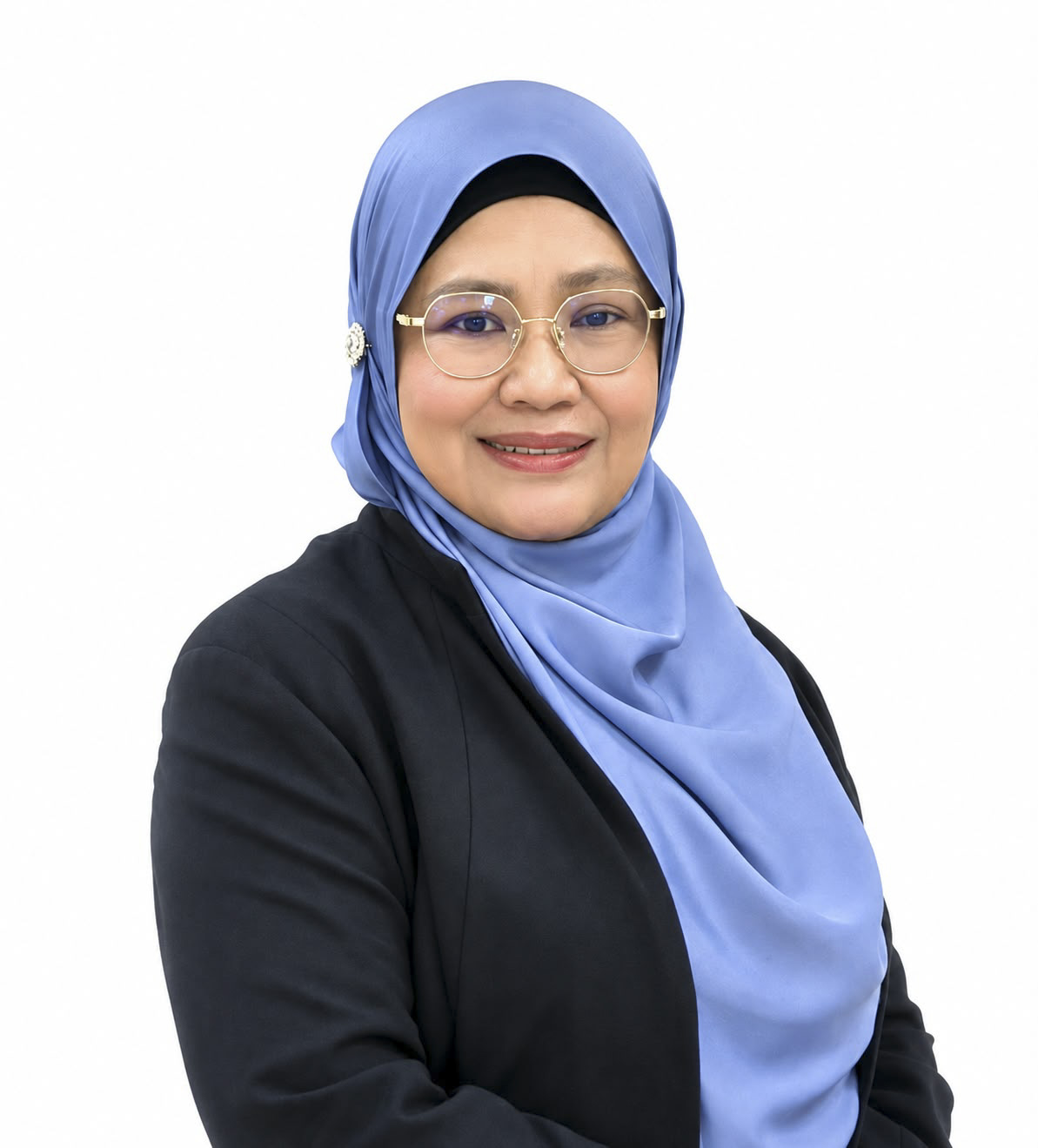
Assoc. Prof. Dr. Hariyati Shahrima Abdul Majid
Motivational Interviewing: Facilitating Behaviour Change among Individuals Living with Chronic Illness and Mental Illness
Assoc. Prof. Dr. Hariyati Shahrima Abdul Majid
Director, Center for Postgraduate Studies & Head, Masters in Health Psychology
IJN University College, Malaysia
- Track
- Health & Behavioural Medicine
- Level
- Suitable for all levels
- Seats available
- 30 Seats
Workshop Overview
Develop collaborative communication skills to explore ambivalence, strengthen motivation, and support behaviour change among people living with chronic physical illnesses and mental health conditions.
Individuals living with chronic physical illnesses and mental health conditions often face significant challenges in initiating and sustaining health-related behaviour change. They may understand the importance of taking medication, attending appointments, improving lifestyle behaviours, engaging in psychological treatment, or developing healthier coping strategies, yet remain uncertain or ambivalent about making these changes.
Traditional approaches that rely heavily on advice, persuasion, warning, or confrontation may unintentionally increase resistance or disengagement. Psychology and counselling practitioners therefore require communication skills that help individuals explore their own motivations for change while respecting their autonomy, circumstances, and readiness.
Motivational Interviewing (MI) is a collaborative, person-centred and evidence-informed communication approach designed to strengthen an individual’s motivation and commitment to change. It is particularly relevant when individuals experience ambivalence, low confidence, repeated setbacks, treatment fatigue, stigma, or competing personal priorities.
This one-day experiential workshop introduces participants to the principles and core skills of Motivational Interviewing and provides structured opportunities to apply these skills to chronic illness and mental health scenarios. The workshop is designed for psychology and counselling graduates with varying levels of professional experience.
Who Should Attend
- Recent psychology and counselling graduates seeking foundational knowledge and practical skills in Motivational Interviewing
- Registered counsellors and practising psychologists
- Psychology officers and assistant psychology officers
- Mental health and psychosocial support practitioners
- Case managers and rehabilitation practitioners
- Practitioners working with individuals living with chronic physical illnesses or mental health conditions
- Professionals involved in behavioural change, treatment engagement, rehabilitation or relapse prevention
- Experienced practitioners seeking to refresh or strengthen their Motivational Interviewing skills
Learning Outcomes
- Explain the spirit, core principles and four processes of Motivational Interviewing in supporting individuals living with chronic physical illnesses and mental health conditions.
- Identify ambivalence, change talk, sustain talk and discord during behaviour-change conversations.
- Demonstrate the use of open questions, affirmations, reflective listening and summaries (OARS) to engage clients and explore their motivation for change.
- Apply appropriate Motivational Interviewing strategies to elicit change talk, respond to sustain talk and exchange information while respecting client autonomy.
- Develop a collaborative and person-centred change plan based on the client’s readiness, priorities, strengths and circumstances.
Key Topics
- Principles and Spirit of MI
- Resistance vs Ambivalence
- Change and Sustain Talk
- OARS Microskils
- SMART Goals
About the Speaker
Associate Professor Dr Hariyati Shahrima Abdul Majid is the Director of the Center for Postgraduate Studies and Head of the Master in Health Psychology programme at IJN University College. She holds a PhD in Psychology from the University of Surrey, UK and brings more than 30 years of experience in academia, teaching, research, postgraduate supervision and academic leadership. Her areas of expertise include health psychology, behavioural change, motivational interviewing, psychosocial care in chronic illness and mental health, and person-centred healthcare. She has contributed to the development of healthcare professionals through teaching, training and interdisciplinary programme development. Beyond academia, Dr Hariyati is actively involved in humanitarian mental health and psychosocial support through MERCY Malaysia, including disaster response, capacity building and community-based initiatives. Her work reflects a commitment to translating psychological knowledge into compassionate, culturally responsive practices that improve patient care, professional development and community well-being across healthcare and humanitarian settings.

Effective Clinical Supervision: Navigating Feedback, Difficult Conversations and Supervisory Challenges
View details
Dr. Aaron Frost
Effective Clinical Supervision: Navigating Feedback, Difficult Conversations and Supervisory Challenges
Dr. Aaron Frost
Director
Benchmark Psychology, Australia
- Track
- Professional Practice, Ethics & Training
- Level
- Intermediate
- Seats available
- 40 Seats
Workshop Overview
Strengthen supervisory feedback skills through deliberate practice, difficult conversations, and practical approaches to supervisory challenges.
In order to develop any skill, feedback is essential. The heart of deliberate practice is using a coaching relationship in order to refine and develop skills. However, psychology supervisees often report that feedback is rare, or unhelpful. This workshop is designed to equip supervisors with the tools to give feedback, while navigating the complex relationships that exist within supervision.
Who Should Attend
Mid career psychologists and therapists
Learning Outcomes
- Learn the theory of deliberate practice
- Develop skills for giving feedback
- Identify markers or poor supervisee performance
Key Topics
- Feedback
- Supervision
- Deliberate practice
- Outcome measurement
About the Speaker
Dr Aaron Frost is an Australian clinical psychologist and the founder of Benchmark Psychology, a practice built around routine evaluation and professional growth. He is also the project lead and lead trainer for STAP, which was Australia's first psychology supervisor accreditation program and has been running for over 20 years. Aaron is an accomplished trainer, and brings an energetic mix of story telling, real world examples and structured activities to bring training to life.
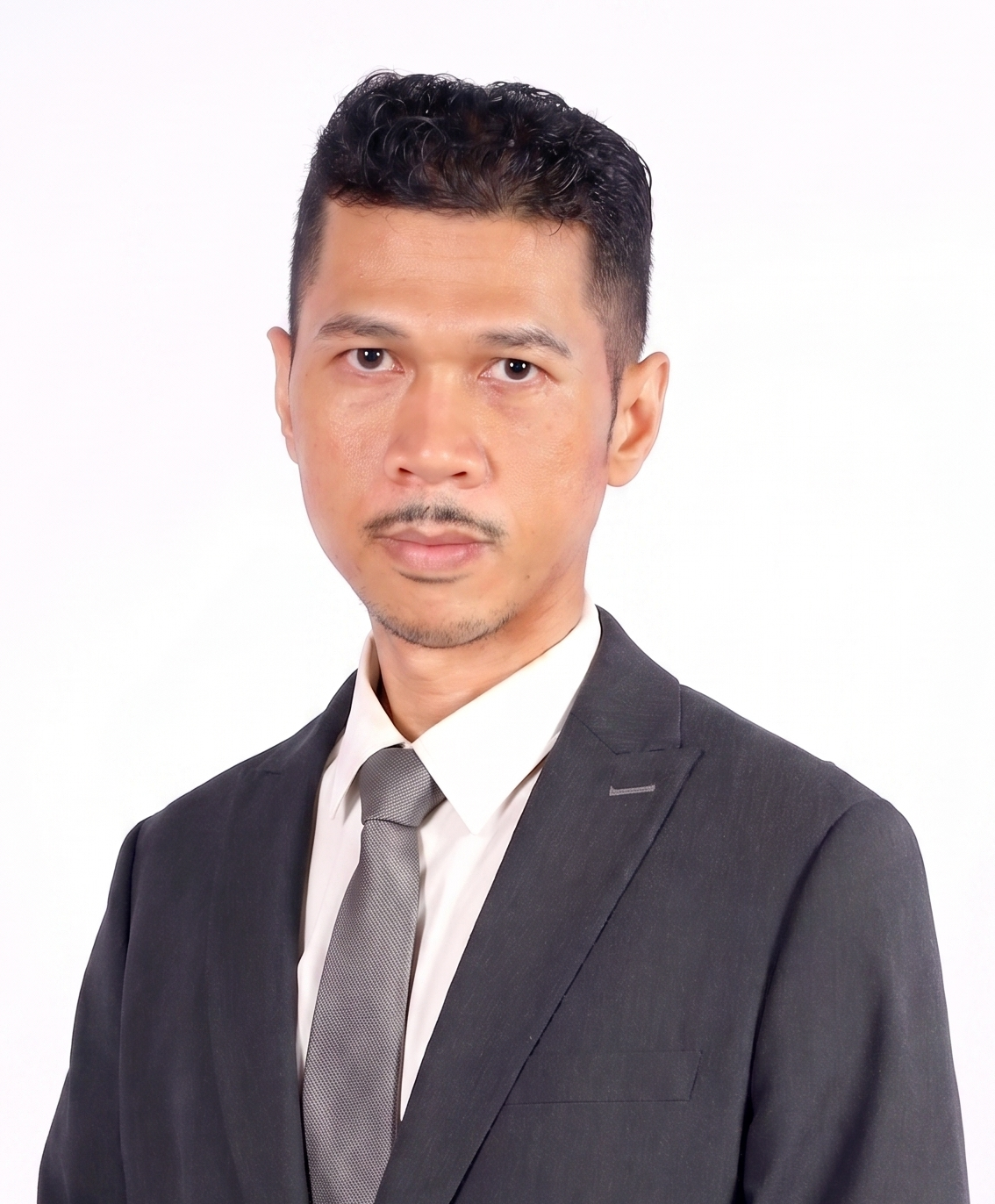
Digitalizing Community Mental Health: Frameworks, Practice, and SEHAT Experience
View details
Assoc. Prof. Dr. Muhammad 'Adil Zainal Abidin
Digitalizing Community Mental Health: Frameworks, Practice, and SEHAT Experience
Assoc. Prof. Dr. Muhammad 'Adil Zainal Abidin
Head of Research, Kulliyyah of Medicine | International Islamic University Malaysia (IIUM)
Director | Selangor State Government Mental Health Program, Malaysia
- Track
- Community & Public Mental Health Research, Innovation & Emerging Technologies
- Level
- Suitable for all levels
- Seats available
- 30 Seats
Workshop Overview
Explore digital community mental health through Selangor’s SEHAT experience, with a focus on accessible design, public communication, and coordination across stakeholders.
Digital mental health initiatives often struggle to translate technological potential into real-world community impact. This full-day workshop, Digitalising Community Mental Health: Frameworks, Practice, and SEHAT Experience, addresses this gap by examining the state-level implementation of Malaysia’s Selangor Mental Sihat (SEHAT) model. Moving beyond technical specifications, we focus on the critical human factors that determine success: public communication, inclusive design, users' intuition and experiences as well as multi-stakeholder coordination.
Led by a multidisciplinary team comprising clinical & community leadership together with digital expertise, participants will explore how digital tools from screening apps and mental health initiatives can be effectively integrated into national use Apps, SELANGKAH. A central theme is the challenge of navigating complex stakeholder landscapes, where funders, policymakers, clinicians, and community leaders hold competing priorities. We will dissect practical strategies for aligning these diverse needs without compromising users' safety, using the development of SEHAT’s public-facing materials as a key case study.
The workshop emphasizes “Inclusivity & Accessibility” principles, demonstrating how accessibility extends beyond physical disabilities to include digital literacy, community needs, cultural sensitivity, and linguistic, visuals or copywriting clarity. Through interactive sessions, attendees will evaluate existing digital platforms and community collateral, identifying barriers towards public health improvements. By the end of the day, participants will possess a practical framework for designing accessible digital workflows, managing stakeholder expectations, and creating public communications that build trust. This session offers actionable insights for professionals aiming to bridge the divide between digital innovation and equitable community care.
Who Should Attend
- Mental Health Professionals (Psychiatrist, Clinical Psychologists and Counsellors)
- Public Health Workers
- Social Workers
- Researchers and Academicians
- Community Leaders
- Civil Societies Leader
Learning Outcomes
- Develop digital mental health workflows
- Digital intervention, design inclusiveness and accessibility
- Coordinating team of multiple stakeholders
Key Topics
- Screen to society: Digitalizing Community Mental Health concept in Malaysia.
- Reality vs. Expectation: Navigating the Pitfalls and Possibilities of Digital Mental Health
- A Co-Creation Approach: Bridging Needs of multiple Stakeholders
- Inclusive by Design: Essential Principles of Digital Mental Health Accessibility
- The Selangor Mental Sehat (SEHAT) Model: Examining state-level model.
- Interactive Group Workshop: Digital Mental Health App and material Case Study
About the Speaker
A Public Health Medicine Specialist and Fellow of the Royal Society for Public Health and Royal Statistical Society. Currently as Head of Research at Kulliyyah of Medicine, IIUM and Director of the Selangor state government Mental Health Program (SEHAT). Since incepted in 2021, the RM4 million state-backed Selangor Mental Health Program, now Selangor’s flagship health program under the Public Health Exco portfolio. They led multi-sectoral collaborations across government bodies, universities, and NGOs to establish first of its kind subsidized psychiatry and clinical psychologist state care, district counseling hubs, peer support hub, psychosocial and youth hotlines, multi level community workshops, and the state’s first integrated and holistic mental health digital care platform within the Selangkah app.