

Keynote 1
Why Evidence Is Not Enough: Designing Behavioural Architecture to Support Mental Health Care
How can we design mental health services that turn evidence into sustained action?

Keynote 2
Building Competent and Ethical CBT Practitioners: Bridging Science, Practice and Quality Mental Health Care
How can Malaysia develop CBT practitioners who demonstrate competence in practice?
Keynote 3
Pioneering Professional Standards: Driving the Science, Practice, and Future of Clinical Psychology in Malaysia
What comes next for clinical psychology in Malaysia?
Dr. Saiful Adli bin Suhaimi
Head, Behavioural Insights Unit | Institute for Health Behavioural Research, National Institutes of Health (NIH), Ministry of Health Malaysia
Keynote 1
Why Evidence Is Not Enough: Designing Behavioural Architecture to Support Mental Health Care
How can we design mental health services that turn evidence into sustained action?
This keynote explores how behavioural insights, service design, and choice architecture can complement clinical interventions to support help-seeking, engagement, and sustainable mental health practices.
Keynote abstract
As foundational theorists from B.F. Skinner and Albert Bandura to modern pioneers like Susan Michie established, human behavior does not occur in isolation; it is deeply shaped by immediate environments, broader care ecosystems, and choice architecture. While clinical psychologists routinely address individual motivation, cognitive restructuring, and adherence, evidence-based protocols face real-world constraints when surrounding systems present friction. Behavioural insights broaden this clinical lens by optimizing how service design, decision environments, communication pathways, and systemic architectures influence help-seeking, engagement, and sustained mental health practices. Applied behavioural science initiatives from the Ministry of Health Malaysia’s Behavioural Insights Unit demonstrate how structural adjustments drive tangible outcomes. From relocating healthier food options to prime locations to anchor consumer choices, to optimizing workplace physical activity schedules, and reshaping blood donation environments to yield a 33% to 50% increase in donor turnout. Extending these principles to mental health care, this presentation invites practitioners to look beyond asking "What intervention works?" toward "How do we architect services and communities to translate evidence into sustainable action?" Ultimately, behavioural insights complement clinical practice, bridging the gap between theory and real-world impact.
Keywords Behavioural Insights, Choice Architecture, System Design, Evidence
Key take-home messages
- Behaviour does not occur in isolation. Context is everything
- Complement individual intervention with systemic design
- Remove friction and make sustainable action easy
About the speaker
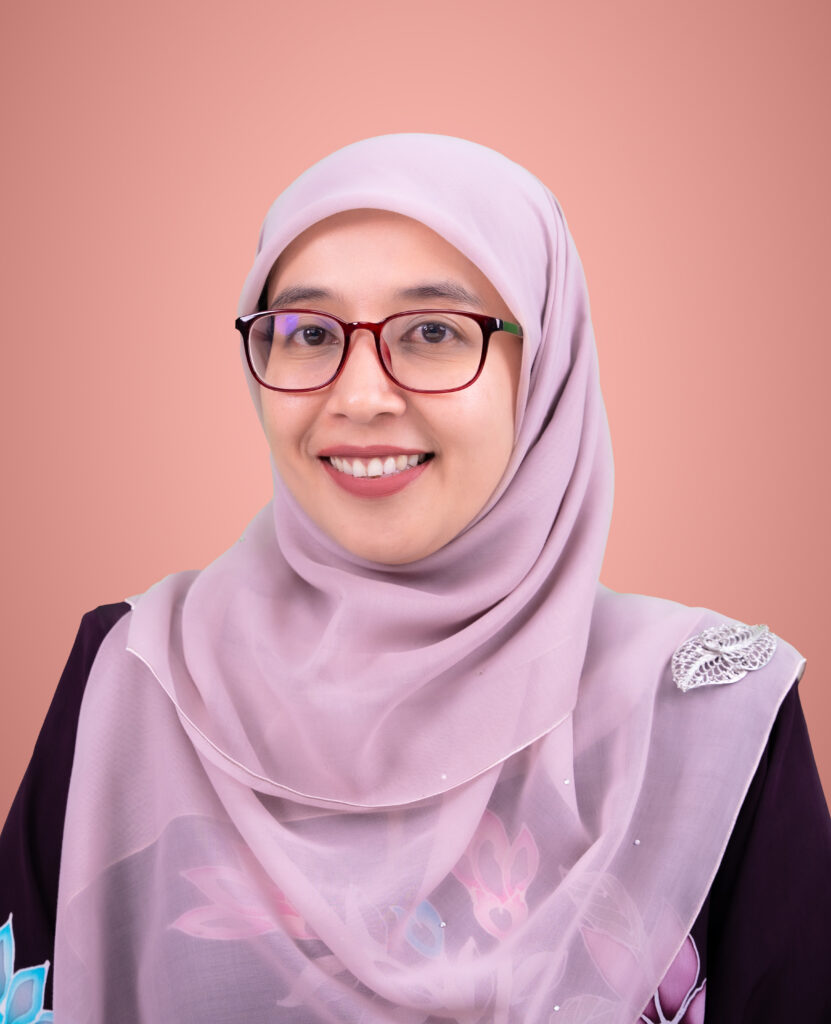
Dr. Saiful Adli bin Suhaimi is a Health Education Officer and Head of the Behavioural Insights Unit at the Institute for Health Behaviour Research, NIH, Ministry of Health Malaysia. He holds a PhD from Universiti Malaya, specializing in behavior change communication to promote healthy lifestyles. He serves as a Member, Board of Studies at the Faculty of Modern Languages and Communication, UPM, and as a part-time lecturer at the Faculty of Health Sciences, UKM.
He leads research, advocacy, and capacity building in behavioral insights across public agencies. He completed cognitive psychology training at Oxford University in 2025 and holds a World Bank certification in Behavioral Science for Public Policy. He collaborates with WHO on key initiatives including the WHO Resolution on Behavioral Sciences, Global Monitoring Framework, and WHO Behavioural Insights Glossary. In 2026, he presented Malaysia's National Blueprint on Behavioural Insights in Health at the 79th World Health Assembly side event in Geneva.
Prof. Dr. Firdaus Mukhtar
Professor and Consultant | University Putra Malaysia (UPM)
Clinical Psychologist | University Putra Malaysia (UPM)
Keynote 2
Building Competent and Ethical CBT Practitioners: Bridging Science, Practice and Quality Mental Health Care
How can Malaysia develop CBT practitioners who demonstrate competence in practice?
This keynote explores structured training, supervision, ethical standards, and the development of a national framework informed by international CBT training guidelines.
Keynote abstract
As the demand for evidence-based psychological interventions continues to grow, strengthening the quality and consistency of CBT training has become essential. Developing competent practitioners requires more than knowledge acquisition or attendance at training programmes; it requires structured training, supervised clinical practice, demonstrated competence, ethical practice, and continuous professional development. This keynote will explore the translation of the World Confederation of Cognitive and Behavioural Therapies (WCCBT) Training Guidelines into the Malaysian context through the work of the Malaysia National CBT Standard Taskforce. It will examine how international principles can inform a systematic, evidence-based and competency-driven national framework while remaining responsive to Malaysia’s professional, clinical and cultural context. The highlight of this presentation is to share key strategic priorities of the National CBT Standard Taskforce, including competency-based training and assessment, supervision, clinical practice, ethical standards, continuing professional development, research, quality improvement, and collaboration among relevant professional stakeholders. Particular emphasis will be placed on establishing clear developmental pathways from foundational training to advanced clinical competence. Ultimately, the advancement of CBT in Malaysia requires a shift from training participation to demonstrated competence, from isolated courses to structured professional pathways, and from individual development to a sustainable system of quality care. Such a framework can strengthen public confidence, support professional accountability, and ensure that CBT remains scientifically grounded, ethically delivered, clinically effective, and relevant to the communities it serves.
Keywords CBT Competency, Ethical Practice, Quality Mental Health Care
Key take-home messages
- Competence CBT practice requires demonstrated clinical skills, supervised practice, ethical decision-making, and continuous professional development.
- The WCCBT Training Guidelines can provide an international reference while the Malaysian National CBT Standard should reflect local professional, clinical, and cultural needs.
- Moving from isolated training courses toward structured competency development, supervision, assessment, research, and quality improvement is essential for safe and effective mental health care.
About the speaker
Prof. Dr. Firdaus Mukhtar is a Professor in Clinical Psychology and Consultant Clinical Psychologist at Hospital Sultan Abdul Aziz Shah (HSAAS), Department of Psychiatry, Universiti Putra Malaysia. She is the Past President of the Asian CBT Association (ACBTA) and previously involved in Taskforce Member for Training and Accreditation at the World Confederation of Cognitive and Behavioural Therapies (WCCBT), where she was directly involved in the development of the WCCBT CBT Training Guidelines. Currently she is the Chair for the National CBT Standard Taskforce in Malaysia.
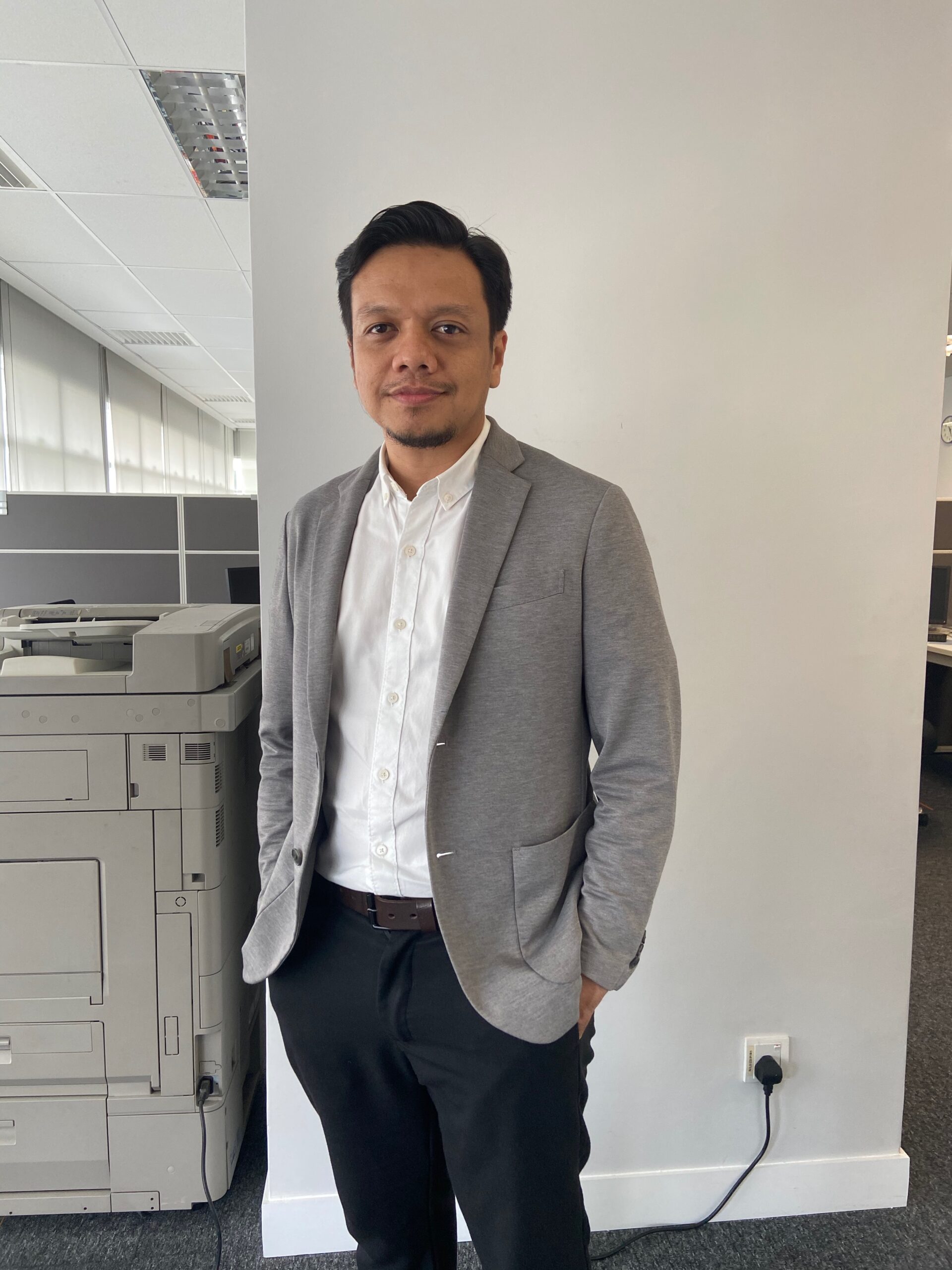
In terms of achievement, she has received the Pavlov Award from Russian CBT Association, Global CBT Ambassador, L'Oréal Malaysia–UNESCO For Women in Science Award and she has also served as a CBT Consultant to the World Health Organization (WHO) in Malaysia. She has more than 20 years of experience in providing training and supervision for CBT and DBT to medical, allied health, and mental health professionals across Southeast Asia.
Dr. Lim Hooi Shan
Programme Director, Master of Clinical Psychology | Taylor's University, Malaysia
Head, HEART Psychological Services | Taylor's University, Malaysia
Keynote 3
Pioneering Professional Standards: Driving the Science, Practice, and Future of Clinical Psychology in Malaysia
What comes next for clinical psychology in Malaysia?
This keynote explores professional standards, supervision, lifelong competence, contemporary ethics, and culturally grounded practice through the scientist-practitioner-advocate model.
Keynote abstract
The historical trajectory of clinical psychology in Malaysia reflects a transition from pioneering discipline-building to statutory regulation. Early efforts, including those led by the Malaysian Society of Clinical Psychology, established benchmarks and contributed to the profession’s development towards statutory recognition under the Allied Health Professions Act 774. This transition reshaped academic training, moving from Psychology standards towards more stringent Medical and Health Sciences requirements.
As the profession enters its next phase, statutory recognition is insufficient to ensure quality and sustainability. Rapid expansion and increasing demand raise questions about competency, professional boundaries, supervision capacity, continuing professional development (CPD), ethics, public understanding, and equitable access. Clarity regarding the professional identity and role of clinical psychologists remains a challenge, particularly in comparison with psychiatrists and counsellors. The focus should be on developing systems that sustain competence throughout the professional lifespan, particularly as today’s trainees become tomorrow’s supervisors while trained supervisors remain limited.
Professional maturity also requires practice governance, including transparency of professional fees and appropriate recognition of clinical supervision. Equally important is modernising Malaysia’s Code of Ethics for Clinical Psychologists, which has remained unchanged for more than a decade, to address contemporary realities including artificial intelligence, digital practice, data governance, and evolving professional boundaries.
Scientifically, the profession must move beyond Western frameworks towards culturally grounded treatments, assessments, and Malaysian norms. Grounded in the scientist-practitioner-advocate model, this keynote explores how Malaysia can move from professional recognition towards an ecosystem that advances science, strengthens practice, develops its workforce, clarifies professional identity, and safeguards public trust.
Keywords Clinical Psychology; Professional Standards; Professional Governance; Continuing Professional Development; Culturally Responsive Practice
Key take-home messages
- Statutory recognition under Act 774 and higher Medical and Health Sciences requirements are insufficient on their own; long-term quality and sustainability require building systems that expand supervision capacity, support lifespan competency development, ensure fee transparency, and clarify professional identity alongside psychiatry and counselling.
- Modernising Malaysia’s Code of Ethics for Clinical Psychologists is an urgent priority to establish clear practice governance for artificial intelligence, digital practice, data governance, and evolving professional boundaries.
- Achieving professional maturity requires shifting beyond Western frameworks toward culturally grounded treatments, indigenous assessment tools, and local norms, guided by the scientist-practitioner-advocate model to advance science, strengthen practice, and safeguard public trust.
About the speaker
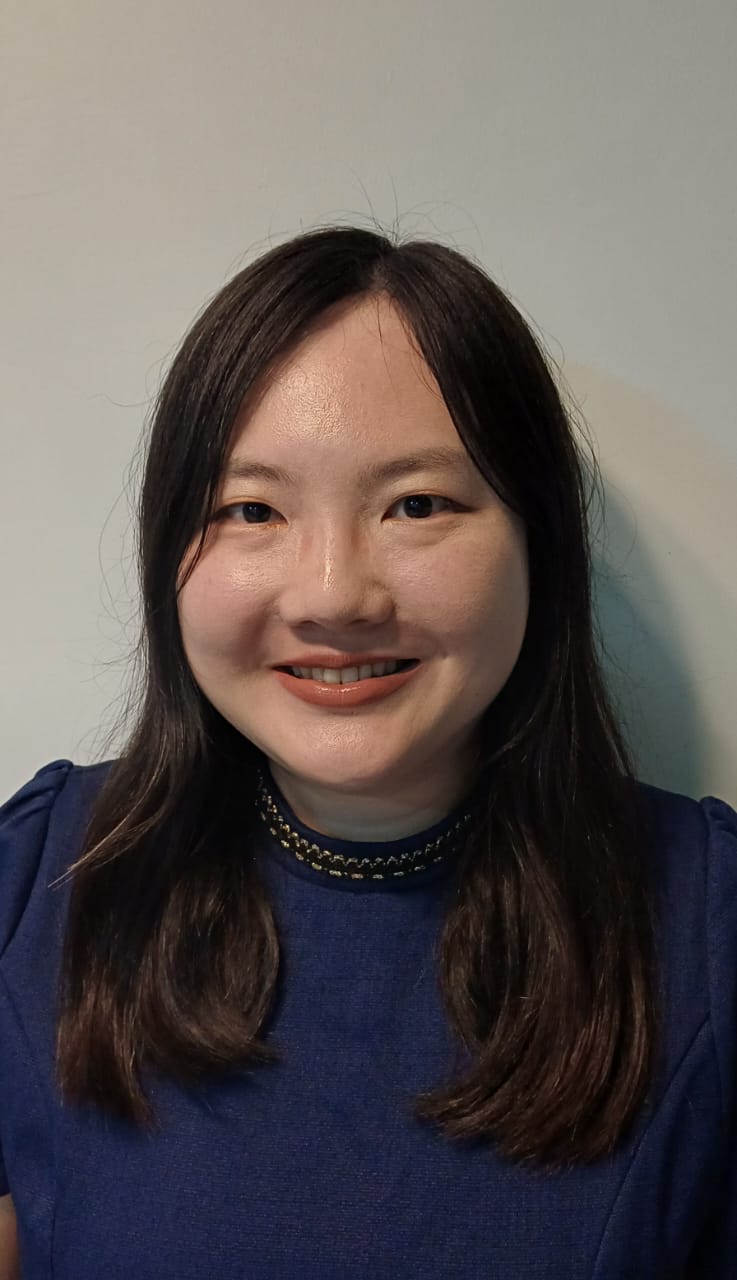
Dr. Lim Hooi Shan is a practising Clinical Psychologist and Counsellor. She serves as the Programme Director for the Master of Clinical Psychology and Head of HEART Psychological Services at Taylor’s University. She holds a PhD in Applied Psychology alongside master’s degrees in both Clinical Psychology and Counselling Psychology. Grounded in a commitment to the scientist-practitioner-advocate model,
Dr. Lim’s work focuses on professional ethics, professional development, validation of psychological assessment, and evidence-informed practice. She plays a pivotal role in advancing education and professional standards in Malaysia through her appointments with the Malaysian Allied Health Professions Council (MAHPC) and her active leadership within the Malaysian Society of Clinical Psychology (MSCP), driving the future of the discipline across academia, clinical care, and policy.